
Why Ant Infestations Keep Returning Without Professional Treatment
To prevent ant infestations from returning, local service providers use proven treatments that address the root causes and help keep ants out permanently.
Many property owners find themselves frustrated by persistent ant infestations that keep returning despite repeated attempts at control. Understanding why ant infestations keep returning without professional treatment can help identify the underlying issues that are often overlooked. Factors such as hidden nests deep within the property, the presence of food sources, and structural entry points can all contribute to the cycle of re-infestation. Local contractors specializing in ant control are equipped to address these root causes, offering targeted solutions that go beyond surface treatments to eliminate the colonies at their source.
Exploring this topic is especially relevant for those who have tried DIY methods with limited success or are seeking long-term relief from recurring ant problems. Recognizing the practical reasons behind ongoing infestations can guide property owners toward more effective strategies. Local service providers understand the common challenges faced in the area and can offer tailored approaches to break the cycle of re-infestation. Keep reading to learn more about why ants keep coming back and how local experts can help achieve lasting results.
- Ant Infestation Prevention - homeowners noticing recurring ant problems despite DIY efforts can benefit from local contractors who implement targeted barrier treatments and exclusion methods.
- Ant Nest Removal - when ant colonies persist underground or inside structures, local service providers use specialized techniques to locate and eliminate the nests effectively.
- Ant Entry Point Sealing - property owners experiencing frequent ant reappearances often need pros to identify and seal entry points that allow ants to re-infest the space.
- Ant Monitoring and Baiting - ongoing ant issues may require continuous monitoring and strategic bait placement by local experts to disrupt colony growth and prevent return visits.
- Ant Infestation Management - persistent ant problems without professional treatment typically stem from overlooked nesting sites, which local contractors can locate and treat to break the cycle.
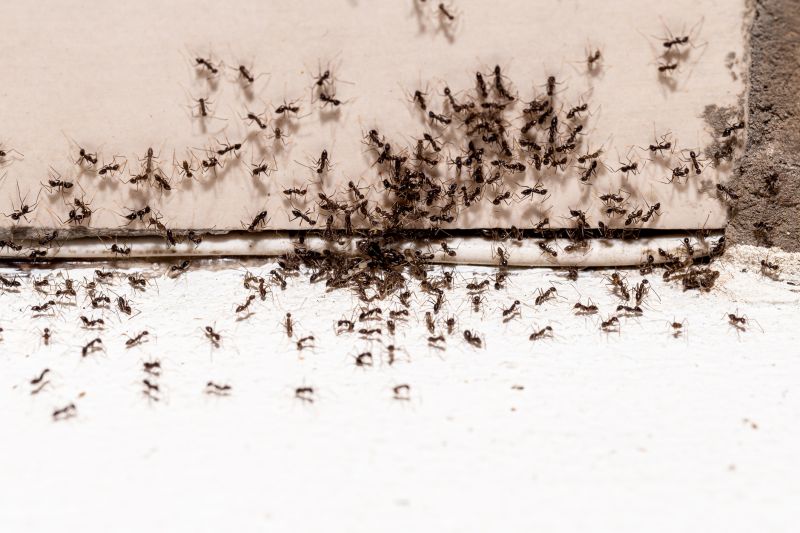


When people search for why ant infestations keep returning without professional treatment, they are usually trying to understand why their efforts to eliminate ants seem ineffective over time. Homeowners often notice recurring ant problems despite using over-the-counter baits, sprays, or DIY methods. This pattern can be frustrating, leading to questions about whether the infestation is truly gone or if something is causing ants to come back repeatedly. The underlying concern is that ants are persistent pests, and their ability to reappear suggests there may be unseen issues that require professional intervention to resolve fully.
This topic is closely related to ongoing pest control strategies and long-term property management plans. Many property owners want to understand how to break the cycle of recurring ants and prevent future invasions. Common problems include identifying the source of the infestation, such as hidden nests or entry points, and understanding that superficial treatments often fail to address the root cause. Planning for effective ant control involves inspecting the property thoroughly, which is where local contractors specializing in ant infestation control can play a crucial role. They can identify hidden colonies and implement targeted treatments that go beyond surface-level solutions.
The types of properties most often associated with persistent ant problems include residential homes, especially those with easy access points like cracks, gaps, or poorly sealed doors and windows. Commercial properties, such as restaurants or food storage facilities, are also prone to recurring ant issues due to the availability of food sources and suitable nesting spots. Additionally, properties located near outdoor environments like gardens, lawns, or wooded areas tend to experience more frequent ant activity. These properties require tailored treatment plans that consider both indoor and outdoor factors, making the expertise of local service providers essential for long-lasting results.
Understanding why ant infestations keep returning without professional treatment highlights the importance of comprehensive pest management. Simply applying surface treatments rarely addresses the full scope of an ant problem, especially when nests are hidden or access points are overlooked. Local ant infestation control professionals have the experience to locate and eliminate nests, seal entry points, and implement preventive measures that reduce the chances of future invasions. For homeowners and property managers, partnering with these local contractors provides a practical way to achieve more effective, long-term control and peace of mind against persistent ant problems.
Pest Inspection Services - professionals who conduct detailed inspections to identify ant nesting sites and entry points, which is essential for understanding why ant infestations keep returning without professional treatment.
Home Sealing Projects - local contractors specializing in sealing cracks and gaps can help prevent ants from re-entering, addressing one common reason for recurring infestations.
Moisture Control Solutions - experts in managing indoor and outdoor moisture levels can reduce attractants that contribute to persistent ant problems.
Sanitation and Clean-up Services - cleaning specialists can eliminate food sources and debris that attract ants, supporting long-term control efforts.
Landscape Maintenance Projects - landscapers who manage vegetation and mulch areas help remove outdoor nesting habitats that lead to recurring ant issues.
Barrier Treatment Applications - pest control providers applying residual barriers can create effective long-lasting defenses against ant reinfestation.
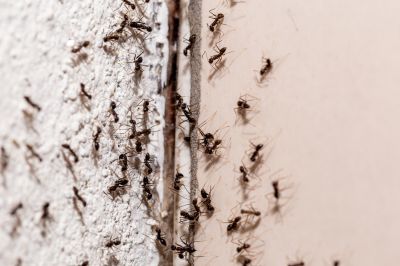
When comparing local contractors for ant infestation control, it is important to consider their experience with similar projects. Homeowners should look for service providers who have a proven track record of effectively managing ant infestations and addressing the underlying causes that lead to recurring problems. An experienced contractor will understand the common reasons why ant infestations keep returning without professional treatment, such as hidden entry points or persistent nesting sites, and will be better equipped to implement comprehensive solutions that target these issues. This background can help ensure that the chosen service provider has the practical knowledge necessary to handle the complexities of ant control in residential settings.
Clear written expectations are vital when evaluating local contractors for ant infestation services. Homeowners should seek providers who can articulate their approach to controlling ants, including the methods they use, the scope of work, and what results can reasonably be expected. A detailed service plan helps prevent misunderstandings and ensures that both parties are aligned on the process. Reputable service providers will also be transparent about any follow-up treatments or preventative measures needed to keep ants from returning, giving homeowners a clearer picture of what the process involves and what responsibilities they may have.
Reputable references and good communication are key factors when selecting local contractors for ant infestation control. Homeowners are encouraged to ask for references or reviews from previous clients who had similar issues, as this can provide insight into the contractor’s reliability and effectiveness. Additionally, service providers who communicate clearly and promptly are more likely to be attentive to homeowner concerns and questions, which is essential for a successful treatment plan. Strong communication helps ensure that homeowners feel informed and confident about the work being done, reducing the chances of overlooked issues that could contribute to the return of ant infestations over time.
Property owners often search for why ant infestations keep returning without professional treatment when they are planning practical projects around their homes and businesses. Local pros provide Ant Infestation Control services for everyday jobs and straightforward project options.

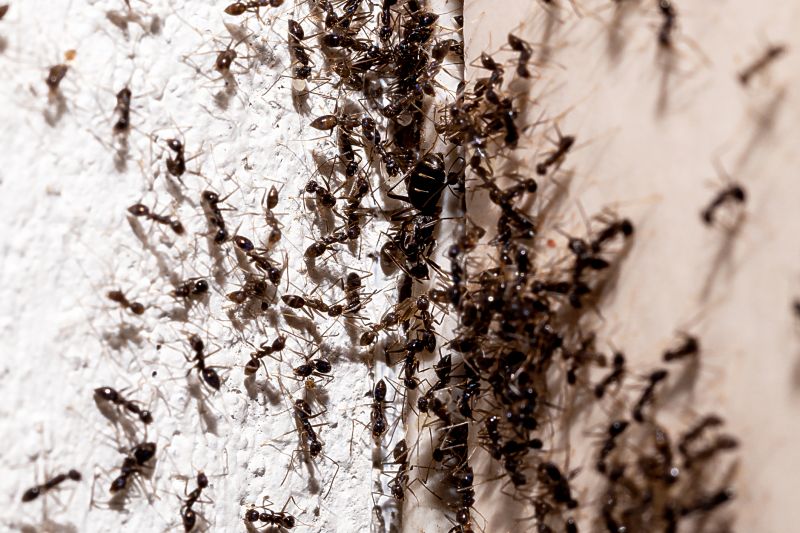
Ant infestations tend to keep returning without professional treatment because ants are persistent and highly adaptable pests. They often establish multiple colonies or hidden nests within the property, making it difficult for DIY methods to fully eliminate the problem. Common household items like food crumbs, sugary spills, and accessible water sources can attract ants repeatedly, especially if these attractants are overlooked or not properly managed. Property owners in the area might search for reasons why ants keep coming back after attempts to control them, realizing that without professional intervention, the colonies can persist and re-establish themselves over time.
Another reason ant infestations reoccur is that ants leave behind scent trails that guide other workers to food sources and entry points. These trails can be difficult to detect and remove without proper tools and knowledge, allowing ants to find their way back even after initial treatments. Additionally, small cracks, gaps, or unsealed entry points around the property can serve as easy access routes for ants to re-invade. This is why many property owners consider consulting with experienced service providers who can identify and address these underlying issues, helping to prevent future infestations and break the cycle of returning ants.
Why do ant infestations keep returning even after treatment? Ant infestations often return because the colony's queen and extensive nesting sites remain hidden, allowing new ants to emerge. Local contractors specializing in ant control can identify and eliminate these hidden nests to prevent recurrence.
How can I prevent ants from coming back without professional help? Without professional treatment, ants may keep returning if their food sources or entry points are not properly managed. Local service providers can assess your property to implement effective barriers and removal strategies.
What causes ant infestations to persist despite DIY efforts? DIY methods may fail to reach deep or hidden nests, allowing ants to re-establish. Local pros use targeted techniques to locate and treat nests that are inaccessible through standard DIY approaches.
Can ant infestations keep returning if the environment isn’t addressed? Yes, ants are attracted to food, water, and shelter. Local contractors can help identify and modify conditions around your property that attract ants, reducing the likelihood of recurring infestations.
Why is professional treatment recommended for long-term ant control? Professionals have the expertise and tools to thoroughly eliminate entire colonies, including hidden nests, helping to prevent ants from returning over time. Contacting local service providers ensures comprehensive ant infestation control.
Identify nesting sites - property owners can work with local contractors to locate and eliminate ant nests deep within walls or underground to prevent recurring infestations.
Seal entry points - sealing cracks, gaps, and openings around windows, doors, and foundation helps block ants from re-entering the property.
Remove attractants - clearing food debris, spills, and standing water creates an environment less appealing to ants, with guidance from local service providers.
Implement ongoing monitoring - setting up regular inspections and treatments ensures that ant activity is detected early and managed effectively.
If you are thinking about why ant infestations keep returning without professional treatment for a property, this guide is meant to help you understand this topic, the typical project types, and how different options might fit your plans.
When you are ready, you can use the quote form on this page to share a few details about your project. From there, local pros can review the basics and follow up with options that match what you have in mind.